When Institutions Investigate Themselves, Accountability Disappears
When Institutions Investigate Themselves, Accountability Disappears
When Institutions Investigate Themselves, Accountability Disappears
A recent congressional vote is a reminder that self-policing rarely works. Not in government. Not in corporations. Not in any organization where power and reputation are at stake. The pattern is predictable. The solution is structural.
A recent congressional vote is a reminder that self-policing rarely works. Not in government. Not in corporations. Not in any organization where power and reputation are at stake. The pattern is predictable. The solution is structural.
A recent congressional vote is a reminder that self-policing rarely works. Not in government. Not in corporations. Not in any organization where power and reputation are at stake. The pattern is predictable. The solution is structural.

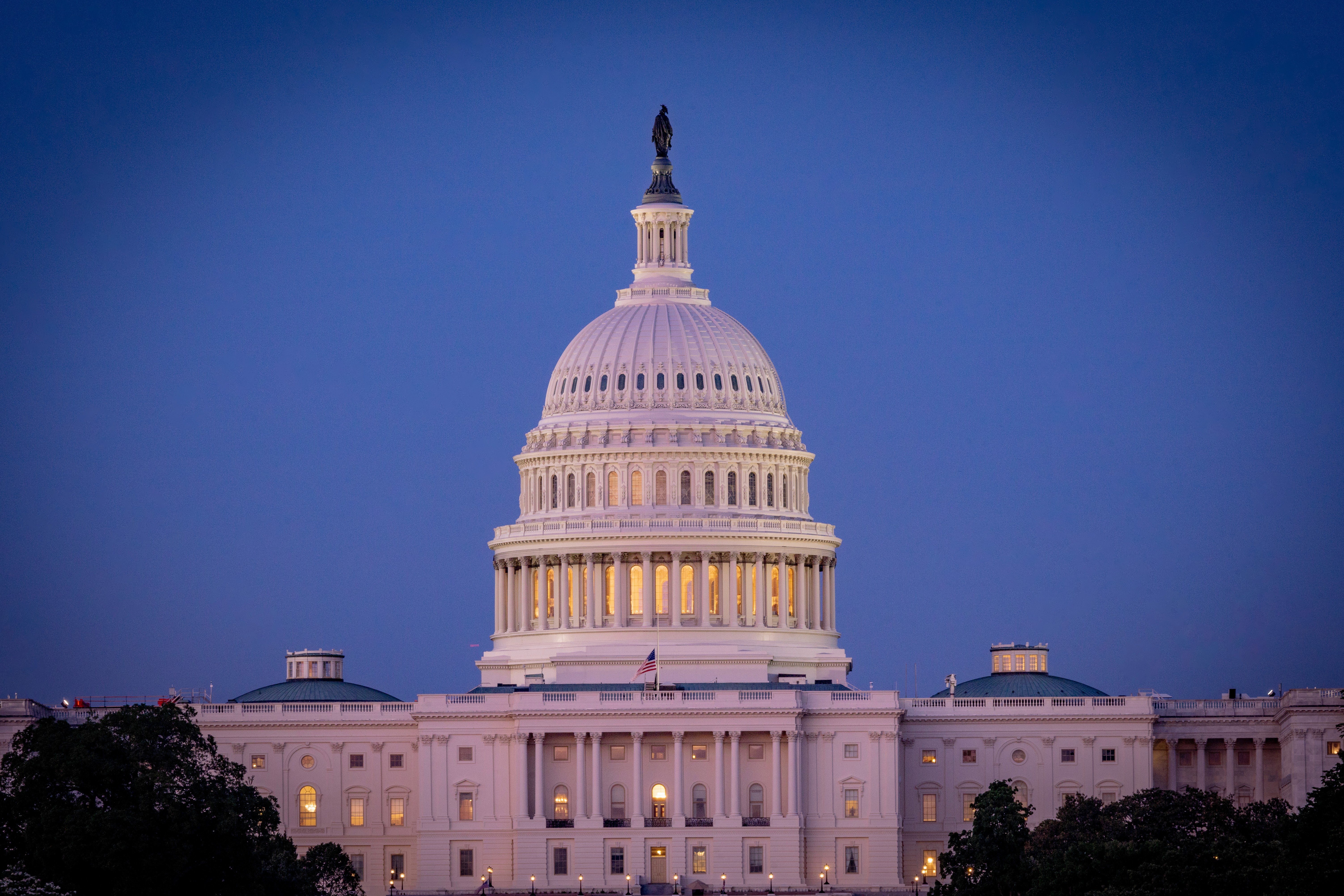
On March 4, 2026, the U.S. House of Representatives voted 357 to 65 to effectively kill a resolution that would have required the public release of records related to sexual harassment investigations involving members of Congress. The measure, H.Res. 1100, would have directed the House Ethics Committee to disclose investigative records, with victim and witness identities redacted, tied to allegations of sexual harassment and misconduct by sitting members. Instead, lawmakers from both parties voted to refer the resolution back to the same committee it sought to compel. The records remain sealed. The process remains unchanged.
This is not a political story. The vote was overwhelmingly bipartisan. It is an institutional one. And the pattern it reflects, an organization choosing self-protection over transparency when workplace misconduct allegations arise, is not unique to Congress. It plays out in corporations, nonprofits, schools, healthcare systems, and mission-driven organizations every day.
The Pattern: Self-Investigation as Institutional Self-Protection
The congressional settlement process has been in place since the 1995 Congressional Accountability Act created a Treasury-funded account to resolve workplace disputes on Capitol Hill. Over the years, that fund has paid out millions in settlements covering a range of claims, including sexual harassment, often without public disclosure of the individuals involved. The process is confidential by design, and the details of who settled, for what, and for how much have historically remained out of public view.
H.Res. 1100 attempted to change that. Supporters argued that the public has a right to know whether elected officials have faced harassment allegations and whether taxpayer funds were used to resolve them. The Ethics Committee, the body that would have been compelled to release the records, urged members to vote the resolution down, warning that disclosure could discourage future victims and witnesses from participating in investigations.
That concern is legitimate. Victim protection matters, and confidentiality plays a real role in encouraging people to come forward. But it also illustrates a tension that exists far beyond Capitol Hill: when the body responsible for investigating workplace misconduct is also the body with the most to lose from disclosure, the system has a built-in conflict of interest. The resolution was sent back to the very committee it was designed to hold accountable. Both parties handed it the keys.
Why Workplace Sexual Harassment Accountability Fails Without Independent Oversight
The same structural dynamic plays out in workplaces of every size and sector. When an organization investigates itself, when the people responsible for reviewing allegations are also the people with the closest ties to the accused, the budget, or the institution’s reputation, the process is compromised before it begins. Not always because of bad intent, but because of proximity.
Consider how often this happens:
A senior leader is accused of harassment, and the complaint is routed to someone who reports to that leader.
An HR department investigates a claim involving a high-performing executive whose departure would create organizational disruption.
A board is asked to evaluate a complaint against a founder or long-tenured director with deep personal ties to other board members.
A complaint is received and handled informally, with no documentation, no defined process, and no follow-up.
In each case, the investigating body has a relationship with the outcome. That does not mean the people involved are corrupt. It means the structure is flawed. And when structures are flawed, even well-meaning people default to preservation. That is not cynicism. It is human behavior, and it is predictable.
Confidential Settlements Are Not the Same as Accountability
Confidential settlements serve a purpose. They can protect victims from public exposure, resolve disputes without prolonged litigation, and allow organizations to move forward. But when settlements become the default mechanism for handling workplace sexual harassment, and when nondisclosure agreements prevent anyone from learning what happened, the settlement process can also become a tool for institutional self-protection.
The result is a system where misconduct is addressed financially but never structurally. The individual may be compensated. The behavior may continue. The organization avoids the reputational cost of transparency, and the people it serves never learn that the risk existed.
This is the gap between resolution and accountability. Resolution closes a file. Accountability changes behavior, policies, and systems so the same harm is less likely to occur again.
What Every Organization Should Learn from This Vote
If the U.S. Congress, with its rules, its committees, its legal infrastructure, and the full weight of public scrutiny, still defaults to self-protection when sexual harassment accountability is on the table, it is worth asking a direct question: What makes any other organization different?
The answer, in most cases, is nothing unless that organization has deliberately built structural safeguards that separate the intake of complaints from the people and interests most likely to be affected by them.
That means:
Independent, third-party reporting channels that allow employees, volunteers, and stakeholders to raise concerns without going through internal leadership.
Defined workplace investigation protocols that are documented, repeatable, and not subject to ad hoc decision-making.
Third-party intake or investigation resources so that conflicts of interest do not determine outcomes.
Anti-retaliation policies with real enforcement, not just handbook language that goes unenforced.
Board-level oversight of complaint trends, investigation outcomes, and settlement activity, without identifying details that compromise victim privacy.
These are not aspirational ideals. They are governance fundamentals. And they are precisely the safeguards that are missing in most organizations that experience repeated misconduct, delayed accountability, or quiet settlements that protect the institution at the expense of the people inside it.
Transparency and Victim Protection Are Not Mutually Exclusive
One of the strongest arguments against disclosure, in Congress and elsewhere, is that it discourages victims from coming forward. That concern deserves serious consideration. Victims who fear exposure, retaliation, or loss of privacy may avoid the reporting process entirely if they believe their identity will become public.
But transparency and victim protection are not mutually exclusive. The resolution Congress voted down included provisions to redact the personally identifiable information of victims, alleged victims, and witnesses. The question was not whether to expose victims. It was whether to expose the process and the people in positions of power who were the subjects of investigation.
Organizations face the same choice. Protecting victim confidentiality is essential. Using that confidentiality as justification for shielding the institution from accountability is something else entirely. The distinction matters, and leadership teams that conflate the two are often protecting the wrong thing.
The Real Question for Your Organization
The March 4 vote was not ultimately about one resolution, one member of Congress, or one political party. It was a case study in what happens when an institution is asked to hold itself accountable and declines. The mechanism existed. The opportunity was present. The institution chose preservation.
Every organization will face that same moment. A complaint will arrive. A leader will be implicated. The easiest path will be the quietest one. And the question will not be whether the people involved have good intentions. The question will be whether the structure allows good intentions to be enough, or whether the organization has built something that works even when intentions fail.
Accountability is not a value statement. It is a system. And systems only work when they are designed to function independently of the people they are meant to hold accountable.
empathiHR helps organizations build independent reporting, workplace investigation, and accountability systems that work. If your process for handling sexual harassment complaints depends entirely on internal goodwill, it may be time to evaluate whether your structure matches your values.
On March 4, 2026, the U.S. House of Representatives voted 357 to 65 to effectively kill a resolution that would have required the public release of records related to sexual harassment investigations involving members of Congress. The measure, H.Res. 1100, would have directed the House Ethics Committee to disclose investigative records, with victim and witness identities redacted, tied to allegations of sexual harassment and misconduct by sitting members. Instead, lawmakers from both parties voted to refer the resolution back to the same committee it sought to compel. The records remain sealed. The process remains unchanged.
This is not a political story. The vote was overwhelmingly bipartisan. It is an institutional one. And the pattern it reflects, an organization choosing self-protection over transparency when workplace misconduct allegations arise, is not unique to Congress. It plays out in corporations, nonprofits, schools, healthcare systems, and mission-driven organizations every day.
The Pattern: Self-Investigation as Institutional Self-Protection
The congressional settlement process has been in place since the 1995 Congressional Accountability Act created a Treasury-funded account to resolve workplace disputes on Capitol Hill. Over the years, that fund has paid out millions in settlements covering a range of claims, including sexual harassment, often without public disclosure of the individuals involved. The process is confidential by design, and the details of who settled, for what, and for how much have historically remained out of public view.
H.Res. 1100 attempted to change that. Supporters argued that the public has a right to know whether elected officials have faced harassment allegations and whether taxpayer funds were used to resolve them. The Ethics Committee, the body that would have been compelled to release the records, urged members to vote the resolution down, warning that disclosure could discourage future victims and witnesses from participating in investigations.
That concern is legitimate. Victim protection matters, and confidentiality plays a real role in encouraging people to come forward. But it also illustrates a tension that exists far beyond Capitol Hill: when the body responsible for investigating workplace misconduct is also the body with the most to lose from disclosure, the system has a built-in conflict of interest. The resolution was sent back to the very committee it was designed to hold accountable. Both parties handed it the keys.
Why Workplace Sexual Harassment Accountability Fails Without Independent Oversight
The same structural dynamic plays out in workplaces of every size and sector. When an organization investigates itself, when the people responsible for reviewing allegations are also the people with the closest ties to the accused, the budget, or the institution’s reputation, the process is compromised before it begins. Not always because of bad intent, but because of proximity.
Consider how often this happens:
A senior leader is accused of harassment, and the complaint is routed to someone who reports to that leader.
An HR department investigates a claim involving a high-performing executive whose departure would create organizational disruption.
A board is asked to evaluate a complaint against a founder or long-tenured director with deep personal ties to other board members.
A complaint is received and handled informally, with no documentation, no defined process, and no follow-up.
In each case, the investigating body has a relationship with the outcome. That does not mean the people involved are corrupt. It means the structure is flawed. And when structures are flawed, even well-meaning people default to preservation. That is not cynicism. It is human behavior, and it is predictable.
Confidential Settlements Are Not the Same as Accountability
Confidential settlements serve a purpose. They can protect victims from public exposure, resolve disputes without prolonged litigation, and allow organizations to move forward. But when settlements become the default mechanism for handling workplace sexual harassment, and when nondisclosure agreements prevent anyone from learning what happened, the settlement process can also become a tool for institutional self-protection.
The result is a system where misconduct is addressed financially but never structurally. The individual may be compensated. The behavior may continue. The organization avoids the reputational cost of transparency, and the people it serves never learn that the risk existed.
This is the gap between resolution and accountability. Resolution closes a file. Accountability changes behavior, policies, and systems so the same harm is less likely to occur again.
What Every Organization Should Learn from This Vote
If the U.S. Congress, with its rules, its committees, its legal infrastructure, and the full weight of public scrutiny, still defaults to self-protection when sexual harassment accountability is on the table, it is worth asking a direct question: What makes any other organization different?
The answer, in most cases, is nothing unless that organization has deliberately built structural safeguards that separate the intake of complaints from the people and interests most likely to be affected by them.
That means:
Independent, third-party reporting channels that allow employees, volunteers, and stakeholders to raise concerns without going through internal leadership.
Defined workplace investigation protocols that are documented, repeatable, and not subject to ad hoc decision-making.
Third-party intake or investigation resources so that conflicts of interest do not determine outcomes.
Anti-retaliation policies with real enforcement, not just handbook language that goes unenforced.
Board-level oversight of complaint trends, investigation outcomes, and settlement activity, without identifying details that compromise victim privacy.
These are not aspirational ideals. They are governance fundamentals. And they are precisely the safeguards that are missing in most organizations that experience repeated misconduct, delayed accountability, or quiet settlements that protect the institution at the expense of the people inside it.
Transparency and Victim Protection Are Not Mutually Exclusive
One of the strongest arguments against disclosure, in Congress and elsewhere, is that it discourages victims from coming forward. That concern deserves serious consideration. Victims who fear exposure, retaliation, or loss of privacy may avoid the reporting process entirely if they believe their identity will become public.
But transparency and victim protection are not mutually exclusive. The resolution Congress voted down included provisions to redact the personally identifiable information of victims, alleged victims, and witnesses. The question was not whether to expose victims. It was whether to expose the process and the people in positions of power who were the subjects of investigation.
Organizations face the same choice. Protecting victim confidentiality is essential. Using that confidentiality as justification for shielding the institution from accountability is something else entirely. The distinction matters, and leadership teams that conflate the two are often protecting the wrong thing.
The Real Question for Your Organization
The March 4 vote was not ultimately about one resolution, one member of Congress, or one political party. It was a case study in what happens when an institution is asked to hold itself accountable and declines. The mechanism existed. The opportunity was present. The institution chose preservation.
Every organization will face that same moment. A complaint will arrive. A leader will be implicated. The easiest path will be the quietest one. And the question will not be whether the people involved have good intentions. The question will be whether the structure allows good intentions to be enough, or whether the organization has built something that works even when intentions fail.
Accountability is not a value statement. It is a system. And systems only work when they are designed to function independently of the people they are meant to hold accountable.
empathiHR helps organizations build independent reporting, workplace investigation, and accountability systems that work. If your process for handling sexual harassment complaints depends entirely on internal goodwill, it may be time to evaluate whether your structure matches your values.
More in
Harassment
entrepreneurshipentrepreneurship


A monthly post delivered straight to your inbox
Zero spam, just the good stuff


